
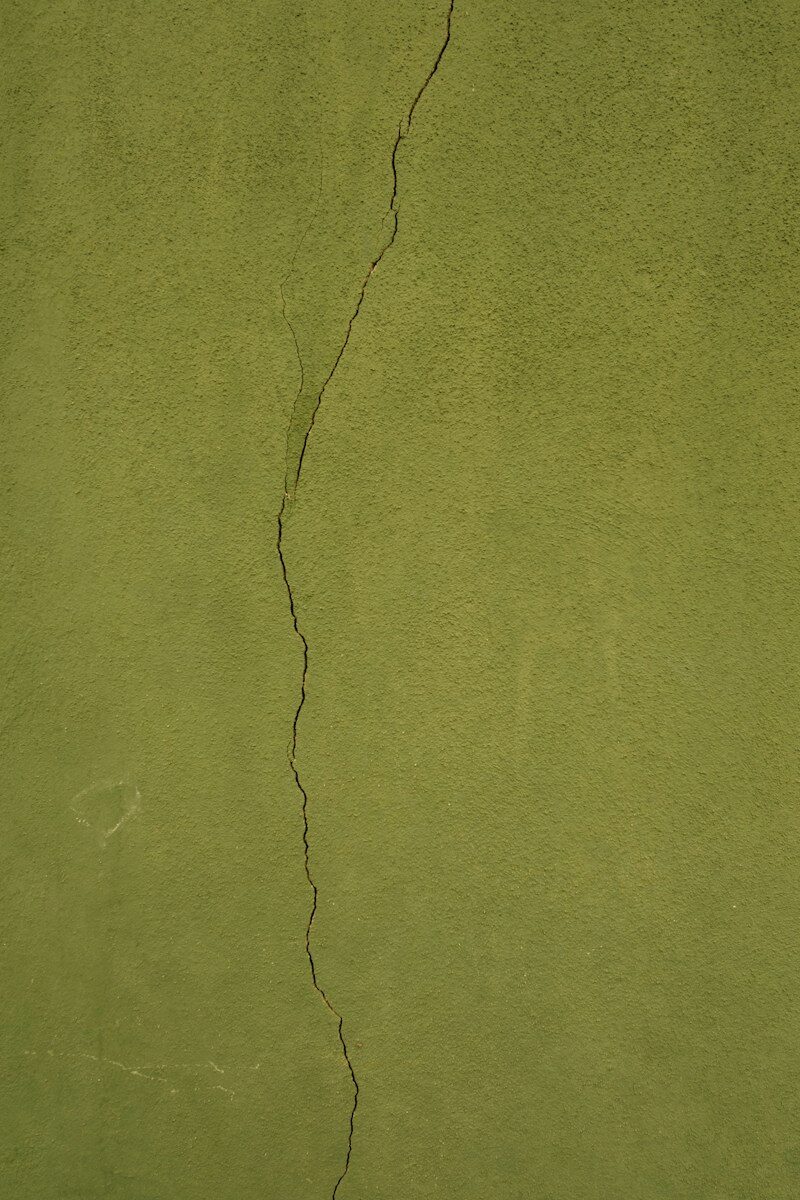
Most failing plaster comes down to one of three causes: water and moisture, structural movement, or earlier repairs done with the wrong materials. Knowing which one you're dealing with matters, because a patch won't last if the problem behind it is still active. Lime Lath handles the plaster work itself, matching and repairing historic lime plaster once any leaks or structural issues have been fixed by the right trade. This guide will help you recognize what's going on behind the cracks before the plaster repair begins.
Water & moisture
Leaking roofs, rising damp, or moisture trapped by later repairs can keep plaster soft, stained, or peeling. Surface work on a wet wall usually fails again.
What you might see:
- Discoloration at ceiling edges or around windows
- Drip or streak staining on painted surfaces
- Efflorescence — white powdery deposits on the surface
- Flaking paint or a bubbling finish coat
- Mold growth on or behind plaster
Until the water source is handled (often by a roofer, plumber, or other trade), a lime repair is fighting the building.
Structural movement
Buildings move through settlement, temperature cycling, and vibration. Crack patterns often hint at what’s happening before anyone opens a wall.
What you might see:
- Long diagonal cracks from window and door corners
- Horizontal cracks along ceiling beams
- Plaster falling in sections rather than crumbling
- Visible bowing or sagging in ceiling planes
- Cracks that reappear after previous patching
When structure is still moving, patching plaster alone won’t stop the pattern. Stabilizing that movement is a different trade from matching historic lime.
Previous poor repairs
Portland cement over lime. Gypsum on the wrong substrate. Hard, impermeable patches that trap moisture and stress the soft original finish.
What you might see:
- A crumbling or powdery surface that used to be solid
- Delamination of the finish coat from the base coat
- Crack patterns that don’t follow structural logic
- Visible patch boundaries where materials meet
- Hard grey patches surrounded by original off-white lime
This is where historic lime patch work often starts: reading the old material, matching binder and sand, and replacing incompatible repairs with a breathable lime system that belongs with the building.