
Walls With Presence

Walls With Presence

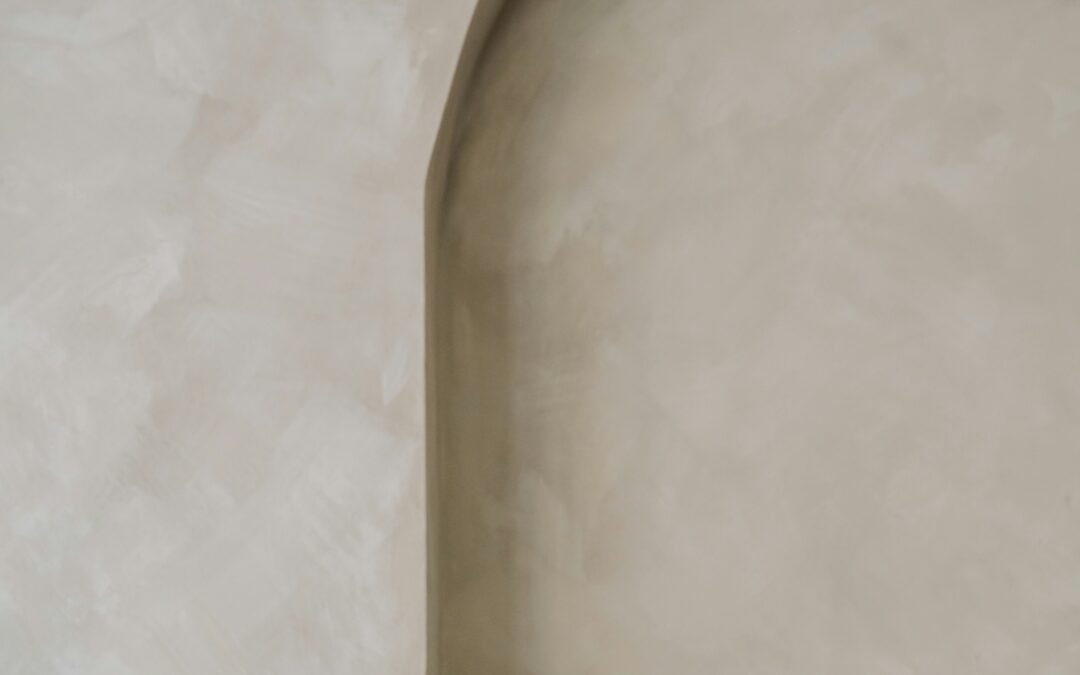
Flat paint gives you color. Lime plaster gives you a surface that actually moves — with light, with time, with the hand that applied it. Here's a look at how it adds character to a room.

Most walls are meant to disappear into the background. Lime walls do the opposite — they hold your attention without saying a word. It comes down to texture. Where paint sits flat and uniform, lime plaster is troweled on by hand, layer by layer, so no two square feet look quite the same. Small ridges, soft dips, faint variations in tone — these are the details that give a room a sense of depth rather than a sense of "finished."

Three Ways Lime Builds Character

Movement

Subtle trowel marks catch and scatter light differently throughout the day, so the wall never looks static.

Tone

Layered application creates gentle shifts in color and shade, giving a wall visual depth instead of one flat hue.

Patina

Lime tends to age gracefully, developing a soft, lived-in richness that most synthetic finishes simply can't replicate.

There's also something honest about a handmade finish. In a world of mass-produced surfaces, a lime wall carries the faint signature of the person who applied it - a slight variation here, a soft cloud of tone there. It reads less like a backdrop and more like a piece of the room's story, which is exactly why designers keep returning to it for spaces that want to feel considered rather than default.

A lime finish doesn't just cover a wall - it gives the wall something to say.

Lime Lath & CO

Whether it's one accent wall in a living room or a full room treatment, the effect tends to be the same: light behaves differently, shadows sit softer, and the space feels a little warmer and a little more grounded. It's a small shift in material with an outsized effect on how a room actually feels to be in.
 

Marmorino A Plaster Built for Salt Air

Marmorino A Plaster Built for Salt Air

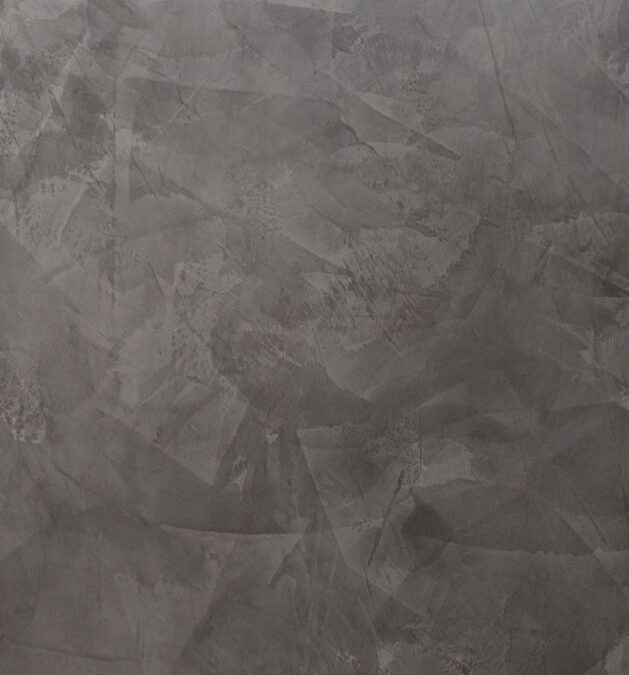
If you've spent time in an old Venetian palazzo, or even just a well-worn Italian courtyard, you've likely run your hand across a wall and wondered how something so simple could look so alive. That's Marmorino — a lime plaster blended with fine marble dust, troweled on by hand in thin layers and burnished to a soft, stone-like sheen. It's one of the oldest finishes in architecture, and it happens to be an unusually good match for homes along our stretch of coastline.

Why it works here

Coastal living means humidity, salt air, and homes that need to breathe. Marmorino is a lime-based plaster, which means it's naturally vapor-permeable — moisture can move through the wall instead of getting trapped behind it. That same lime chemistry gives it a naturally high pH, which makes the surface inhospitable to mold and mildew, a quiet but real advantage anywhere near the water.

1. BREATHABLE

Lets moisture pass through rather than pool behind the wall.

2. NATURALLY RESISTANT

High-pH lime discourages mold and mildew growth.

3. DURABLE

Cured lime hardens over time rather than wearing down.

4. ALIVE WITH LIGHT

Hand-burnished texture catches light differently through the day.

What the process looks like

Every Marmorino wall is built up in several thin coats, applied and polished entirely by hand — there's no spraying, no rolling. Each layer needs time to cure before the next goes on, so a single room is usually a multi-day project rather than an afternoon. The final coat is burnished with steel and finished to a soft sheen, then protected with a wax or soap treatment once it's fully cured.

Worth knowing: because it's a hand-applied, cured material rather than a painted-on product, small variations in tone and texture are part of the finish — not a flaw. No two Marmorino walls are ever quite identical, which is exactly what gives the room its character.

Living with it

Marmorino asks for very little. A soft, damp cloth handles everyday dusting, and it's best to avoid harsh chemical cleaners, which can strip the protective wax layer. That wax finish can be refreshed and buffed every so often to keep the sheen looking rich, especially in higher-traffic rooms. Beyond that, a well-cured Marmorino wall is remarkably low-maintenance for a finish that looks this considered.

Why Lime Plaster Belongs on the Emerald Coast

Why Lime Plaster Belongs on the Emerald Coast

From historic Venetian palazzos to salt-air cottages, lime has been finishing walls for centuries. Here's a general look at why it's worth considering for homes along our stretch of coastline.

If you've spent any time along the Emerald Coast, you know the air here has a personality of its own — thick with humidity most of the year, salty near the water, and prone to that particular Gulf mugginess that seems to seep into everything. It's a beautiful place to live, but it's also a tough environment for building materials. That's part of why lime plaster keeps coming up in conversations about coastal homes, from Pensacola bungalows to beach houses in Orange Beach and Perdido Key.

Lime isn't a new invention — it's one of the oldest finishing materials in the world, used long before modern paints and synthetic plasters existed. What keeps drawing people back to it today, especially in humid coastal climates, is a combination of qualities that feel particularly well-suited to places like ours.

A Few General Benefits Worth Knowing

BREATHABILITY

Lets Walls BreatheLime is naturally porous, which can help moisture pass through rather than get trapped — something that tends to matter in a place as humid as ours.

NATURAL COMPOSITION

Simple IngredientsTraditional lime plasters are made from natural materials, generally without the synthetic additives found in many modern products.

ENVIRONMENT

Lower Carbon FootprintLime is generally produced at lower temperatures than cement, which can make it a comparatively lighter footprint choice.

CHARACTER

Ages With BeautyLime finishes tend to develop a soft patina over time, giving walls a warmth and depth that manufactured finishes rarely replicate.

One of the reasons lime has stuck around for thousands of years — from Roman aqueducts to Venetian palace walls — comes down to how it handles moisture. Because it's porous rather than sealed, it tends to allow humidity to move through rather than accumulate behind the surface. In a region where afternoon storms and salty breezes are just part of life, that's a quality a lot of homeowners find appealing.

"Lime has a long history as a building finishing material, with a proven track record of longevity — used for centuries even in humid environments like the Venetian lagoon."

There's also something to be said for how lime looks and feels. Unlike flatter synthetic finishes, lime plaster has natural texture and subtle variation from one section of wall to the next. It has a soft, diffused way of catching light, which is part of why it's long been associated with a timeless, artisanal look — whether the style leaning is coastal cottage, Mediterranean villa, or something more modern along the Fairhope waterfront.

Considering It for Your Home

None of this is to say lime is the right fit for every project — like any material, it comes with its own application process and considerations. But generally speaking, for homeowners across Pensacola, Orange Beach, Perdido Key, Fairhope, Mobile, and Destin who are drawn to natural materials and a finish that can hold up gracefully in a coastal climate, lime plaster is worth a closer look.